Are you dreaming of seeing your book on shelves or reaching readers across the country? Choosing the right book publishers can make all the difference between your story getting lost or becoming a bestseller.
Whether you’re an aspiring author or someone curious about the world behind your favourite books, understanding how publishers work will empower you to take the next step confidently. You’ll discover what book publishers do, how to find the perfect one for your work, and tips to get noticed in this competitive industry.
Keep reading to unlock the secrets that can turn your writing dreams into reality.

Credit: www.openbookpublishers.com
Selecting The Right Publisher
Choosing the right publisher is a key step for every author. The publisher shapes how the book reaches readers. It affects the book’s success and the author’s career. Picking the best publisher needs care and research. Understanding different publishing options helps in making the right choice.
Traditional Vs Self-publishing
Traditional publishing means a company handles editing, design, and marketing. The publisher pays for these services. Authors usually get an advance and royalties. Self-publishing lets authors control every step. Authors pay for editing and marketing themselves. Traditional routes offer wider reach but can be slow. Self-publishing is faster but needs more effort from the author.
Evaluating Publisher Reputation
Check the publisher’s history and success stories. See which books they have published. Look for reviews from other authors. A good publisher supports authors and respects contracts. Avoid publishers with poor communication or unclear terms. Reputation shows how well they work with writers and readers.
Matching Genre And Audience
Publishers often focus on specific genres. Choose one that fits your book’s style and topic. This ensures your book reaches the right readers. A good match improves marketing and sales chances. Research the publisher’s existing titles and audience. This helps in finding the best fit for your book.
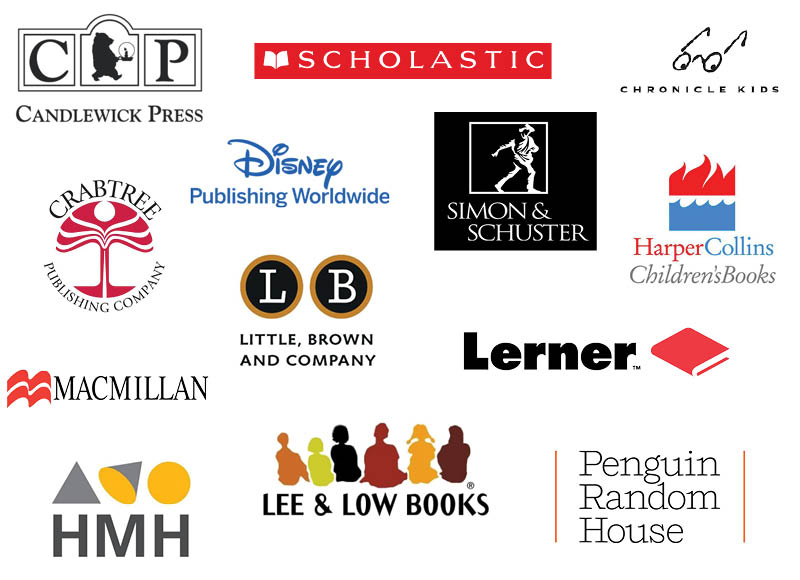
Credit: www.schoollibraryjournal.com
Perfecting Your Manuscript
Perfecting your manuscript is a key step before sending it to book publishers. A clean, polished manuscript shows professionalism and respect for the reader.
Taking time to edit and format your work increases your chances of acceptance. It also makes your writing clearer and more enjoyable.
Editing And Proofreading Tips
Start by reading your manuscript out loud. This helps catch awkward sentences and errors. Use tools like spell check but do not rely on them fully. Take breaks between editing sessions to see your work with fresh eyes. Ask a friend or mentor to review your writing. They may spot mistakes you missed. Focus on grammar, punctuation, and clarity during proofreading.
Incorporating Feedback
Listen carefully to all feedback, even if it feels hard. Review comments and identify common points. Change what improves your story or message. Avoid ignoring suggestions without thought. Sometimes small edits make a big difference. Thank people who review your manuscript for their time. Remember, feedback helps you grow as a writer.
Formatting For Submission
Follow publisher guidelines exactly for formatting. Use standard fonts like Times New Roman or Arial. Set font size to 12 points. Double-space your text for easy reading. Include page numbers and your contact details. Use proper margins, usually one inch on all sides. Save your file in the requested format, often PDF or Word. A neat format creates a good first impression.
Crafting A Compelling Query
Crafting a compelling query is the first step to catch a publisher’s attention. It shows your professionalism and respect for their time. A well-written query can open doors to your publishing journey.
A good query is clear and concise. It highlights your book’s core idea and why it matters. Publishers receive many queries daily. Yours must stand out quickly and positively.
Writing An Engaging Synopsis
The synopsis is a brief summary of your book. It should explain the main plot and key characters. Keep it simple and avoid too many details.
Focus on the story’s beginning, middle, and end. Show the conflict and how it resolves. Make the reader curious without giving everything away.
Personalising Your Cover Letter
Address the publisher by name if possible. Mention why you chose them specifically. This shows you have researched and respect their work.
Write about your background and your connection to the book. Be honest and professional. Keep the letter short but meaningful.
Highlighting Unique Selling Points
Explain what makes your book different from others. Is it the theme, style, or target audience? Share any special knowledge or experience you have.
Mention awards, previous publications, or positive reviews if available. These points increase your credibility and interest the publisher.
.jpg)
Credit: www.frontlist.in
Building Author Platform
Building an author platform is essential for writers today. It helps authors connect with readers and publishers. A strong platform shows publishers an author’s reach and influence. This increases the chances of a book deal and better marketing support.
Developing a platform takes effort and strategy. Authors must use different tools to create a presence. Consistency and engagement are key to growing an audience.
Utilising Social Media
Social media offers a direct way to reach readers. Authors can share updates, insights, and snippets of their work. Posting regularly keeps followers interested. Engaging with comments builds a loyal community. Platforms like Facebook, Instagram, and Twitter are popular choices. Each has unique features to connect with different groups.
Networking With Industry Professionals
Building relationships with publishers and other authors opens opportunities. Attending book fairs, workshops, and conferences helps meet experts. Joining writing groups or forums provides support and advice. Networking creates chances for collaborations and endorsements. These connections can lead to valuable guidance and exposure.
Creating A Professional Website
A website acts as a central hub for an author’s work. It showcases books, biography, and contact information. A blog section can share writing tips or updates. A clean, easy-to-navigate design attracts visitors. Including links to social media profiles helps grow the audience. A professional website builds credibility and trust with readers.
Leveraging Marketing Strategies
Book publishers use various marketing strategies to reach readers effectively. These strategies help books stand out in a crowded market. Strong marketing creates interest and drives sales. Publishers plan carefully to make the most impact with each book.
Book Launch Planning
Planning a book launch is vital for success. Publishers set a date that suits the target audience. They create a schedule for events, promotions, and media coverage. Launch parties, book signings, and virtual events engage readers. Early reviews and press releases build excitement. Every detail works to make the launch memorable and effective.
Collaborating With Influencers
Influencers have loyal followers who trust their opinions. Publishers partner with influencers to promote new books. These collaborations include reviews, interviews, and social media posts. Influencers help reach readers who might not find the book otherwise. This method increases visibility and creates buzz quickly.
Utilising Online Advertising
Online advertising targets specific reader groups with precision. Publishers use platforms like Google and social media for ads. Ads can highlight book covers, blurbs, or author profiles. Paid ads bring immediate traffic to book sales pages. Tracking tools help publishers adjust ads for better results.
Navigating Contracts And Rights
Understanding publishing contracts is important for every author. These agreements decide how your book is used and sold. Knowing the basics helps you protect your work and earnings.
Contracts can be complex. They include many terms about rights and payments. Taking time to read and understand them is essential before signing.
Key Contract Clauses To Consider
Look for clauses about royalties and payment schedules. Check how long the publisher holds rights to your book. Note any conditions for editing or revising your work. Also, see if the contract allows you to publish in other formats like ebooks or audiobooks.
Retaining Publishing Rights
Keep as many rights as possible to control your book. Sometimes, authors can keep rights for foreign markets or digital sales. Retaining rights means you can use your work in other ways later. Ask the publisher which rights they want and which you keep.
Seeking Legal Advice
Consult a legal expert before signing contracts. Lawyers understand publishing terms and can explain them clearly. They help spot risks and unfair clauses. Getting advice can save trouble and protect your interests.
How IOKPUBLISH Can Help You with Book Publishers
Practical Learning Through Engaging with Book Publishers
Understanding how to select the right publisher and perfect your manuscript is essential, but the journey doesn’t end there. Engaging with book publishers like those at IOKPUBLISH offers practical opportunities to deepen your knowledge, especially in areas like navigating contracts and rights or crafting a compelling query.
By exploring platforms such as IOK Bookstore, authors can observe firsthand how marketing strategies are implemented, helping them build a stronger author platform. This real-world exposure complements the foundational advice on manuscript preparation and contract navigation, making the theoretical aspects much clearer.
- Review sample contracts to understand legal language and author rights.
- Analyse successful query letters to refine your own approach.
- Observe marketing campaigns to inspire your promotional efforts.
For further guidance or clarifications, reaching out to support@inkofknowledge.com can be a helpful resource. Immersing yourself in these practical learning opportunities bridges the gap between writing and publishing, empowering you to approach publishers with greater confidence.
Frequently Asked Questions
What Do Book Publishers Do?
Book publishers manage the entire publishing process. They edit, design, print, and distribute books. Publishers also market and sell books to readers. They connect authors with readers through various platforms.
How To Choose The Right Book Publisher?
Choose a publisher based on your genre, reputation, and distribution reach. Research their past publications and author support. Consider their marketing efforts and contract terms before signing.
What Is The Difference Between Traditional And Self-publishing?
Traditional publishing involves a publisher managing production and distribution. Self-publishing means the author controls the entire process. Traditional publishers offer advance payments; self-publishing requires author investment.
How Long Does The Publishing Process Take?
Publishing can take from several months to over a year. It depends on editing, design, printing, and marketing schedules. Traditional publishing usually takes longer than self-publishing.
Conclusion
Book publishers play a key role in sharing stories and knowledge. They help authors bring ideas to life and reach readers. Choosing the right publisher can shape an author’s journey. The publishing world offers many options, from traditional to self-publishing.
Each path has its own benefits and challenges. Understanding these helps writers make smart decisions. The love for books keeps this industry alive and growing. For every reader and writer, publishers remain an important part of the story.