Thinking about publishing your own book? You might be wondering if self-publishing is the right path for you.
It offers freedom and control, but it also comes with challenges that could surprise you. Before you dive in, it’s important to understand both the upsides and the downsides. This way, you can make a smart choice that fits your goals and saves you time and effort.
Keep reading to discover the real pros and cons of self-publishing your book—what it can do for you, and what to watch out for.
Benefits Of Self Publishing
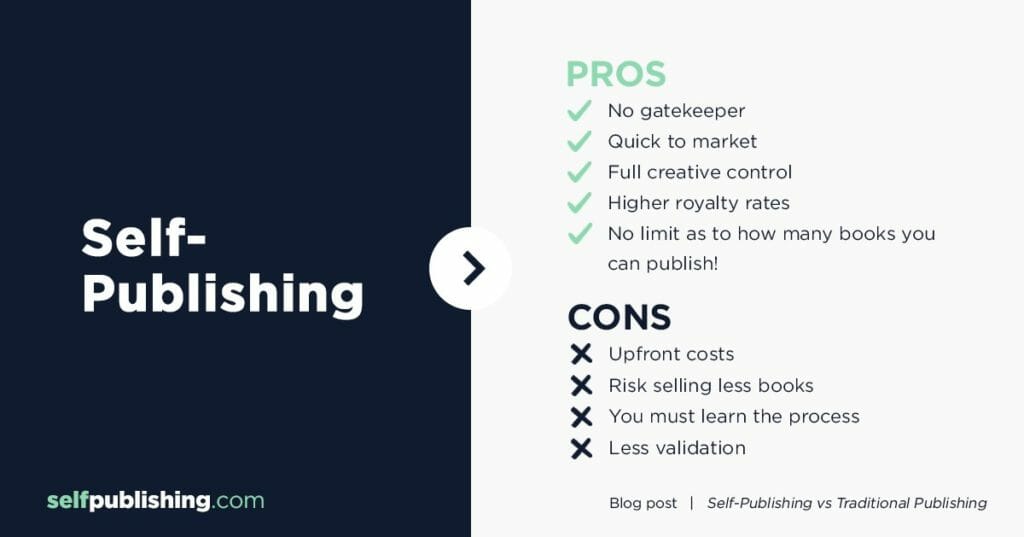
Self publishing offers many benefits to authors. It allows writers to share their stories without waiting for traditional publishers. Authors can manage every step of their book’s journey. This freedom gives unique advantages that many writers appreciate.
Creative Control
Self publishing gives full creative control to the author. Writers choose the cover, title, and design. There is no need to follow publisher rules. This freedom helps authors keep their vision clear and true. Changes happen quickly without long approvals.
Higher Royalties
Authors earn more money per book with self publishing. Royalties are often higher than traditional deals. No middleman takes a big cut. This means more income from each sale. Writers can invest more in their work and grow their audience.
Faster Time To Market
Books reach readers faster with self publishing. Traditional publishing can take months or years. Self publishing lets authors publish as soon as they are ready. Quick launches help capture current market trends. Writers can update or fix books anytime.
Global Distribution
Self publishing platforms offer wide global reach. Books become available in many countries at once. Readers worldwide can buy digital or print copies. This broad access helps authors find fans everywhere. No need to rely on local bookstores only.
Credit: selfpublishing.com
Challenges Of Self Publishing
Self publishing offers freedom but comes with real challenges. Authors must handle many tasks alone. These tasks can slow progress and add stress. Understanding these challenges helps set clear expectations before starting.
Upfront Costs
Self publishing requires money before any sales happen. Authors pay for editing, cover design, and formatting. Printing physical books adds to the cost. These expenses can add up fast. Budgeting well is essential to avoid surprises.
Marketing Responsibilities
Authors must promote their books themselves. No publisher team to help spread the word. Marketing takes time and skill to reach readers. Social media, ads, and events all need effort. Without marketing, even good books may stay unnoticed.
Quality Control
Ensuring high quality is the author’s job. Editing and proofreading must be thorough. Professional help usually costs extra. Poor quality can hurt a book’s reputation. Readers expect polished and error-free content.
Limited Access To Traditional Channels
Self published books often miss traditional bookstores. Libraries and major retailers may not stock them. Getting book reviews from big outlets is harder. This limits audience reach and sales potential. Authors must find other ways to connect with readers.
Choosing The Right Self Publishing Platform
Choosing the right self publishing platform is key to your book’s success. It affects how easily you publish, how much you earn, and how many readers you reach. Many platforms offer different tools and options. Knowing their pros and cons helps you pick the best fit for your needs. This guide breaks down important factors to consider.
Popular Platforms Comparison
Amazon Kindle Direct Publishing (KDP) is the most popular choice. It offers a large audience and simple setup. Draft2Digital is good for wide distribution to many stores. Smashwords focuses on indie authors and offers free conversion tools. Lulu is great for print books and global sales. Each platform suits different goals and book types.
Pricing Models
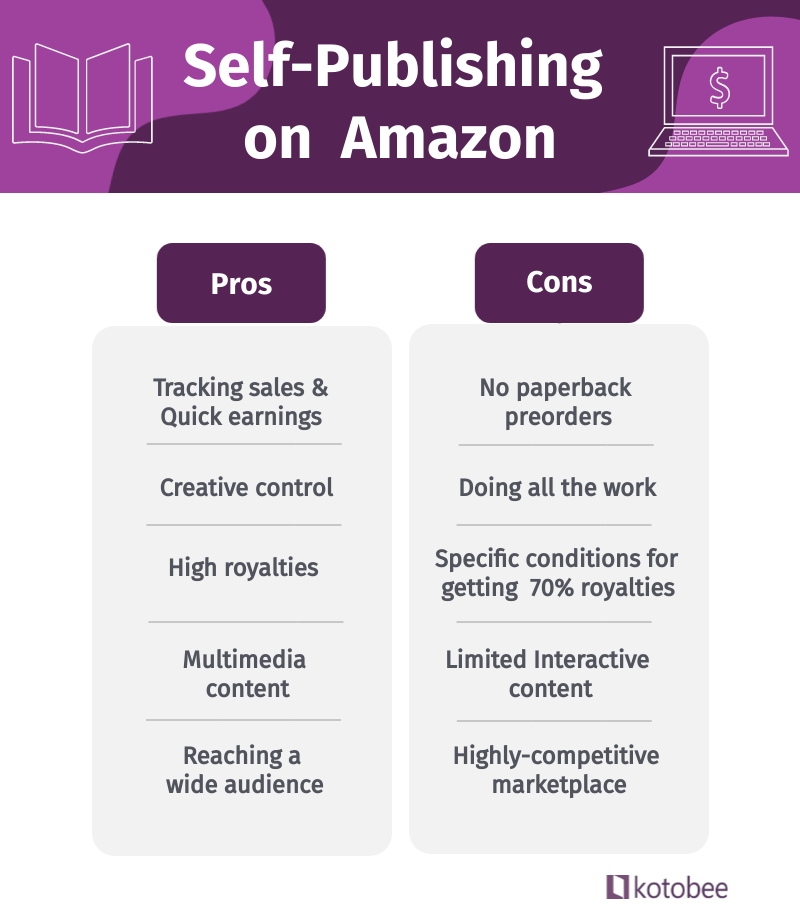
Most platforms do not charge upfront fees. They take a percentage from your sales as commission. KDP keeps 30% to 65% of royalties depending on price and format. Draft2Digital takes about 10% of your net sales. Lulu charges for print copies but no commission on ebooks. Understanding fees helps you plan your earnings better.
Ease Of Use
Simple interfaces save time and reduce stress. KDP has a step-by-step process for uploading and publishing. Draft2Digital guides authors through formatting and distribution easily. Smashwords uses a style guide but requires some formatting skills. Lulu offers templates but can be complex for beginners. Choose a platform you feel comfortable using.
Support And Resources
Good support helps solve problems fast. KDP provides detailed guides and email support. Draft2Digital offers email help and a helpful blog. Smashwords has a large FAQ section but limited direct support. Lulu provides customer service and tutorials. Support quality varies. Check what help is available before choosing.
Credit: www.tiffanyhawk.com
Strategies To Maximize Success
Success in self-publishing demands clear strategies. Planning each step improves your book’s reach and sales. Focus on building your identity, launching smartly, using social media, and collecting feedback. These strategies help your book stand out in a crowded market.
Careful effort in these areas brings better results and lasting connections with readers. Let’s explore key tactics to help you succeed as an independent author.
Building An Author Brand
Your author brand shows who you are and what you write. Create a simple, clear image. Use the same name, style, and voice everywhere. A strong brand helps readers remember you. It makes your books feel reliable and familiar. Share your story and values to build trust.
Effective Book Launch Tactics
Plan your book launch carefully. Set a date and prepare early. Use email lists to tell readers about your book. Offer special deals for the first buyers. Arrange events like online readings or Q&A sessions. These actions create excitement and attract attention.
Leveraging Social Media
Social media connects you directly with readers. Choose platforms where your audience spends time. Post regularly with updates, tips, and behind-the-scenes content. Engage by replying to comments and messages. Use images and short videos to catch interest. Consistency grows your follower base over time.
Gathering Reviews And Feedback
Reviews build your book’s credibility. Ask readers to leave honest reviews. Send advance copies to bloggers and reviewers. Use feedback to improve your writing and future books. Positive reviews attract new readers. Respond politely to all feedback, even if it’s negative.
Common Mistakes To Avoid
Self-publishing a book offers great freedom but also many challenges. Many new authors make avoidable mistakes. These errors can hurt a book’s success and reader experience.
Knowing common pitfalls helps authors prepare better. Avoiding these mistakes saves time, money, and effort. Focus on key areas to protect your work and reach readers.
Neglecting Editing
Skipping proper editing is a big mistake. Typos and errors distract readers and reduce trust. Professional editing improves clarity and flow. It makes the story stronger and easier to read.
Proofread several times. Use editors who know your genre. A clean manuscript shows professionalism and respect for readers.
Ignoring Cover Design
Book covers grab attention first. A poor cover looks unprofessional and lowers sales. Invest in a cover that fits your book’s style and audience. Good design creates curiosity and trust.
Simple but clear covers often work best. Avoid cluttered or confusing images. Your cover is your book’s first impression.
Underestimating Marketing Efforts
Publishing is only half the journey. Without marketing, few will find your book. Plan marketing steps early. Use social media, book reviews, and email lists.
Consistent promotion builds interest over time. Marketing helps reach readers beyond your circle. It turns a good book into a bestseller.
Skipping Isbn Registration
ISBNs identify your book worldwide. Missing this step limits distribution options. Many retailers require an ISBN to sell your book. It also helps track sales and copyright.
Get an ISBN for each format of your book. Registering protects your work and makes it official.
Credit: blog.kotobee.com
Frequently Asked Questions
What Are The Main Benefits Of Self-publishing A Book?
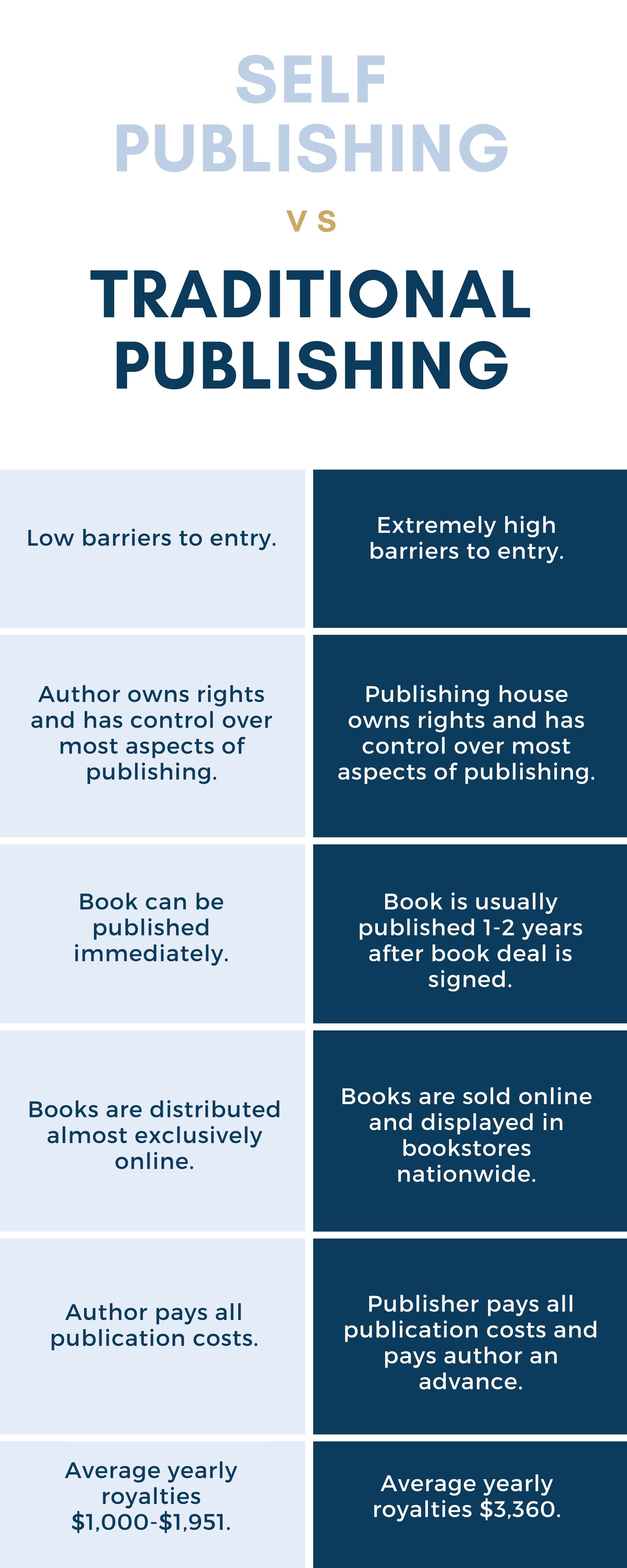
Self-publishing offers full creative control and higher royalty rates. Authors can publish faster without traditional gatekeepers. It also allows flexible marketing strategies and direct reader engagement, making it ideal for niche topics or new authors seeking independence.
What Challenges Does Self-publishing A Book Involve?
Self-publishing requires authors to manage editing, design, and marketing alone. It can be costly upfront and time-consuming. Authors also face difficulties gaining wide distribution and professional recognition compared to traditional publishing routes.
How Does Self-publishing Affect Book Royalties?
Self-publishing usually provides higher royalties, often 60-70%. Authors keep most profits but must cover all costs. This contrasts with traditional publishing, where royalties are lower but some expenses are managed by the publisher.
Is Self-publishing Suitable For First-time Authors?
Yes, self-publishing suits first-time authors seeking control and quick release. It demands self-motivation and marketing skills. New authors can learn valuable industry insights but should be ready for extensive work beyond writing.
Conclusion
Self-publishing a book offers freedom and control over your work. You keep more profits and choose your own timeline. Yet, it also means handling all marketing and editing yourself. Success depends on your effort and skills. Traditional publishing provides support but less control.
Weigh the benefits and challenges carefully before deciding. Your choice should fit your goals and resources. Self-publishing can be rewarding with the right approach. Think about what matters most to you in publishing.