Have you ever wondered what Urdu truly stands for? Whether you’re curious about its origins, meaning, or cultural significance, understanding Urdu can open doors to a rich world of language and history.
You’ll discover not just the definition of Urdu, but why it matters to millions of people. Keep reading to uncover fascinating facts that might change how you see this beautiful language forever. Your curiosity is about to be rewarded!
Origins Of Urdu
The origins of Urdu reveal a fascinating story of culture and language blending. Urdu grew from many influences and changes over centuries. It is more than just a language; it represents history and tradition.
Etymology And Name
The word “Urdu” means “camp” or “army” in Turkish. It reflects the language’s beginnings among soldiers. These soldiers came from different regions and spoke many languages. They needed a common way to talk. This mix of tongues formed what we now call Urdu.
Historical Roots
Urdu started around the 6th to 13th century in South Asia. It grew in areas ruled by Muslim empires. Persian, Arabic, Turkish, and local languages all influenced Urdu. This blend created a unique language with rich vocabulary and style. Urdu became a symbol of culture and art in the region.
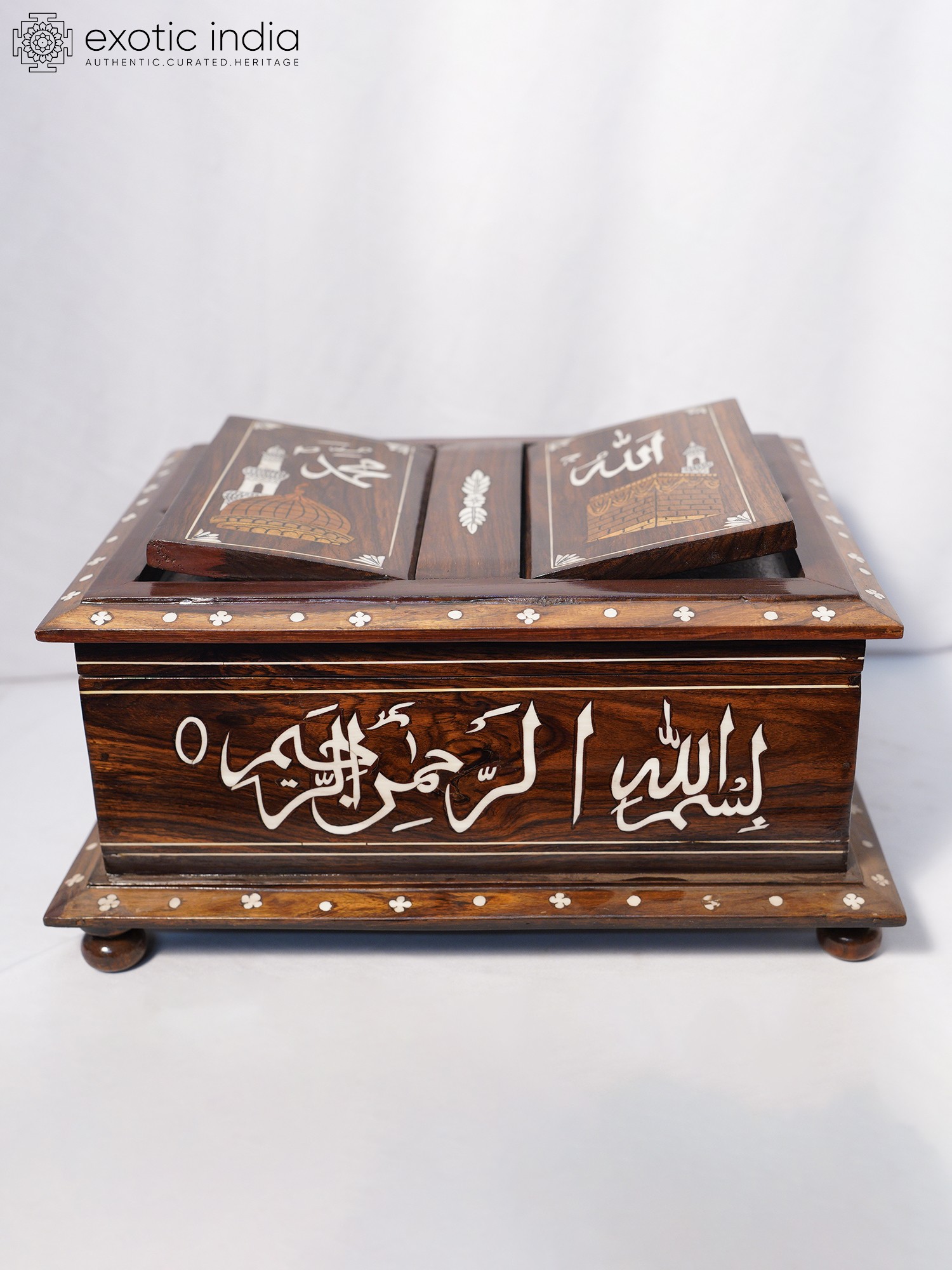
Credit: www.exoticindiaart.com
Linguistic Features
Urdu is a rich and expressive language with unique linguistic traits. These traits shape how it is written, spoken, and understood. The language’s structure and style reveal its deep cultural roots. Understanding Urdu’s linguistic features helps appreciate its beauty and complexity.
Script And Alphabet
Urdu uses a script called Nastaliq. It is a form of the Persian script. The writing flows from right to left. This script is cursive and artistic. It connects letters smoothly within words. Urdu has 39 to 40 letters, depending on dialects. Many letters have different shapes based on their position. This makes reading Urdu interesting and dynamic.
Grammar And Vocabulary
Urdu grammar follows a subject-object-verb order. It uses postpositions instead of prepositions. Nouns have gender, either masculine or feminine. Verbs change form to show tense and mood. Urdu borrows many words from Arabic, Persian, and Turkish. These loanwords enrich its vocabulary. Native words come mostly from Sanskrit roots. The mix creates a diverse and flexible language.
Evolution Through Time
Urdu has traveled a long path from its early days to the present. It has changed and grown with time. Different events and cultures shaped its form. This section explores how Urdu evolved through different periods. Understanding this helps us see why Urdu is rich and unique today.
Medieval Period
Urdu began as a mix of many languages during the medieval period. Soldiers, traders, and poets from different regions spoke diverse tongues. These languages blended in camps and towns. Persian, Arabic, Turkish, and local dialects combined. This blend laid the foundation of Urdu. It started as a simple way to talk among people from different backgrounds.
Colonial Influence
The British rule changed Urdu’s role in society. Urdu became a key language in administration and education. It gained status alongside English and other regional languages. Newspapers and books in Urdu increased. This period also saw a rise in Urdu literature. Writers used it to express social and political ideas. Urdu grew beyond everyday speech into a language of culture and power.
Modern Development
Today, Urdu is spoken by millions worldwide. It continues to adapt to modern needs. Technology and media use Urdu in new ways. Television, films, and the internet spread Urdu far and wide. Schools teach it as a main language. Urdu poetry and prose remain popular. The language keeps its classical beauty while embracing change.
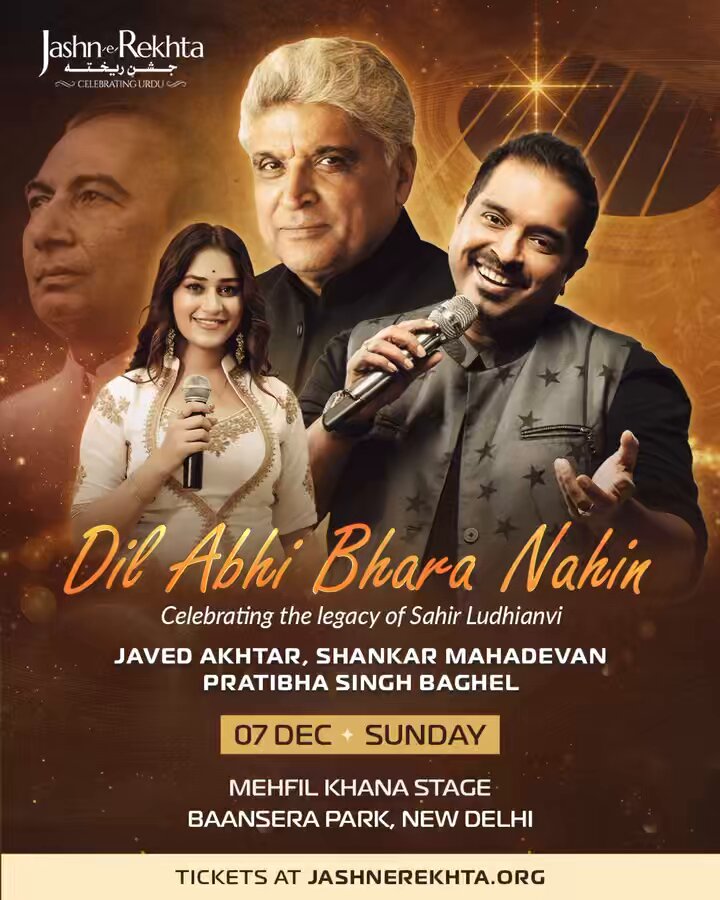
Credit: x.com
Urdu In Literature
Urdu holds a special place in the world of literature. It is a language rich in expression and emotion. Writers and poets have used Urdu to tell stories and share deep feelings. Its literary tradition spans centuries and reflects a diverse culture. Urdu literature connects people through its beautiful words and meaningful themes.
Many famous poets and authors have contributed to Urdu’s literary fame. Their works continue to inspire readers worldwide. Urdu literature includes poetry and prose, each with unique styles and voices. These forms highlight the language’s beauty and power.
Poetry Traditions
Urdu poetry is known for its elegance and emotion. It often explores love, loss, and life’s mysteries. Classic forms like ghazal and nazm are popular in Urdu poetry. Ghazals use rhyme and rhythm to create musical verses. Nazms focus on a single theme or idea. Poets like Mirza Ghalib and Allama Iqbal are iconic figures. Their poetry remains widely read and admired today.
Poetry gatherings called mushairas celebrate Urdu’s poetic art. These events bring poets and listeners together. They create a lively space to share words and feelings. Urdu poetry’s rich tradition helps keep the language alive and vibrant.
Prose And Storytelling
Urdu prose tells stories in a simple yet powerful way. It includes novels, short stories, and essays. Writers use prose to reflect society and human nature. Famous authors like Saadat Hasan Manto and Ismat Chughtai gave Urdu prose new life. Their stories often discuss real-life struggles and emotions.
Urdu storytelling captures everyday experiences and dreams. It uses clear language that many readers understand easily. This makes Urdu prose a popular choice for those who want to explore culture and history. The prose tradition continues to grow with new voices and ideas.
Cultural Significance
Urdu holds a deep cultural significance across many regions. It is more than just a language. It acts as a bridge connecting history, tradition, and modern life. Urdu carries the stories, feelings, and values of millions of people. Its role is vital in shaping cultural identity and preserving heritage.
Role In Identity
Urdu shapes the identity of many communities. It reflects their customs and shared experiences. Speaking Urdu creates a sense of belonging. It links people to their roots and ancestors. The language helps keep traditions alive. It also plays a key role in festivals and social gatherings. For many, Urdu is a symbol of pride and unity.
Influence On Arts And Media
Urdu deeply influences arts and media. Poetry, music, and literature often use Urdu’s rich expressions. Its words bring emotions to life in films and songs. Many classic and modern works are written in Urdu. Television dramas and radio shows also highlight the language’s charm. Urdu helps spread culture through creative storytelling and performances. It remains a vital force in artistic expression.

Credit: www.walmart.com
Urdu Today
Urdu today is a language with a rich history and a vibrant presence. It connects millions across continents. This language is alive in homes, schools, and media. It shapes culture and identity for many people. Understanding Urdu today means seeing its role worldwide and the efforts to keep it strong.
Global Presence
Urdu is spoken by over 100 million people worldwide. It is an official language in Pakistan and parts of India. Many Urdu speakers live in the Middle East, the UK, and North America. Media like films, music, and books help spread Urdu globally. Urdu is taught in universities around the world. This keeps the language alive for new generations.
Challenges And Preservation
Urdu faces challenges from changing education and technology. Younger people often prefer dominant global languages. Fewer schools teach Urdu in some areas. Digital content in Urdu is growing but still limited. Many groups work hard to preserve Urdu culture. They create books, websites, and social programs. These efforts help keep Urdu vibrant and relevant today.
Frequently Asked Questions
What Does The Word “urdu” Mean?
Urdu means “army” or “camp” in Turkish and Persian. It originated as a language of soldiers. The term reflects its historical use as a lingua franca in military camps.
Where Did Urdu Language Originate?
Urdu originated in northern India during the Mughal era. It evolved from Persian, Arabic, Turkish, and local dialects. The language developed as a cultural bridge between different communities.
Why Is Urdu Called A Poetic Language?
Urdu is called poetic due to its rich literary tradition. It uses elegant vocabulary and metaphors. Many famous poets like Mirza Ghalib wrote in Urdu, enhancing its poetic reputation.
How Is Urdu Different From Hindi?
Urdu uses Persian-Arabic script, while Hindi uses Devanagari. Urdu vocabulary has more Persian and Arabic words. Both languages share grammar and spoken similarities but differ in script and formal usage.
Conclusion
Urdu is more than just a language. It carries history, culture, and identity. Many people speak it across South Asia and beyond. The word “Urdu” means a gathering or army, showing its mixed roots. It blends Persian, Arabic, and local languages.
This mix makes Urdu unique and rich. Learning about Urdu helps us understand many traditions and stories. It connects people from different backgrounds. Urdu still grows and changes with time. Its beauty lies in both its words and its history.
Understanding Urdu opens a window to a colorful world.