Thinking about sharing your story or ideas with the world? You might have heard mixed opinions about self-publishing.
Some say it’s the best way to keep control, while others warn it could harm your chances of success. So, is self-publishing bad for you and your work? Before you decide, it’s important to understand the real pros and cons.
Keep reading to discover what self-publishing means for your future as an author—and whether it’s the right path for you.
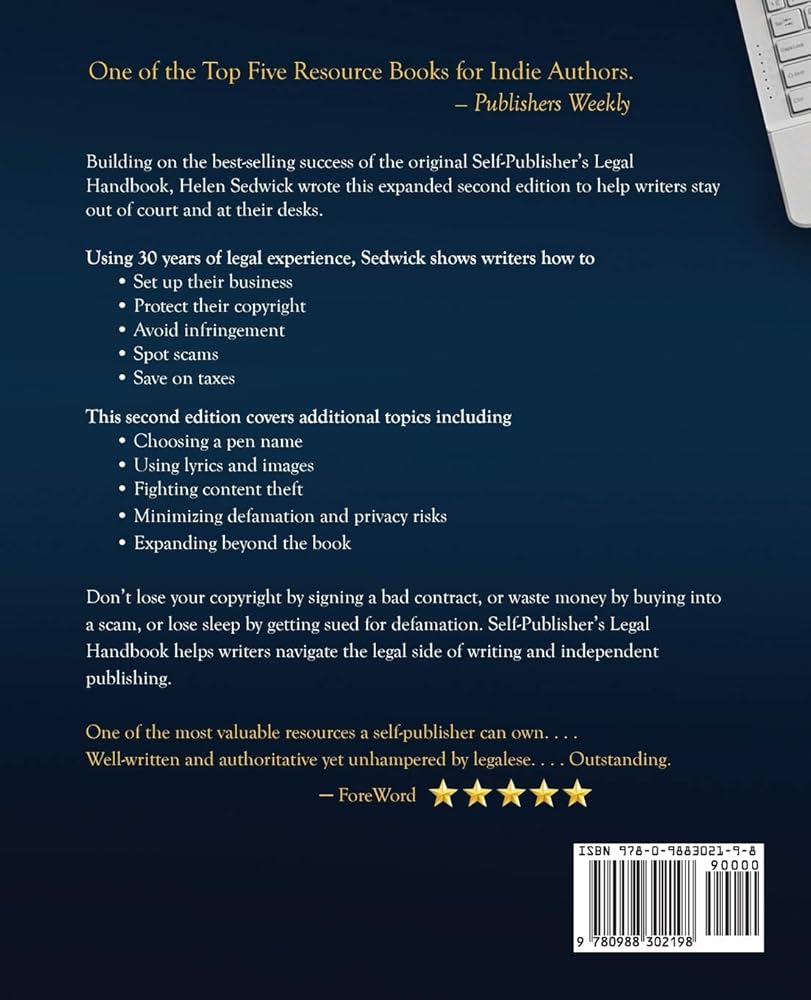
Credit: www.amazon.com
Common Criticisms
Self-publishing has changed how authors share their work. Many welcome this freedom. Yet, it also faces several common criticisms. These issues often shape public opinion. Understanding them helps writers and readers alike.
Quality Concerns
One major criticism is about quality. Traditional publishers use editors and reviewers. They check grammar, style, and facts. Self-published books may skip these steps. This can lead to mistakes or poor writing. Some readers find this frustrating. Not all self-published books lack quality. But uneven standards cause doubts.
Market Saturation
The self-publishing market is very crowded. Thousands of new books appear every day. Many books compete for readers’ attention. This makes it hard to stand out. Some books get lost in the flood. Readers can feel overwhelmed. Finding good stories becomes a challenge. Authors must work harder to reach fans.
Lack Of Gatekeeping
Traditional publishing acts as a filter. It chooses which books to publish. This helps maintain certain standards. Self-publishing removes this filter. Anyone can publish anything. This openness is a strength and a weakness. It allows freedom but lowers control. Readers might find books that are low quality or misleading. Gatekeeping helps protect readers and the industry.
Hidden Advantages
Self-publishing has many hidden advantages that many people do not see at first. It gives writers the power to decide how their work looks and feels.
Writers also earn more money per book. The process is faster than traditional publishing. These benefits help many authors share their stories with the world.
Creative Control
Writers keep full control over their book’s content and design. They choose the cover, layout, and title. No one else changes the story or style. This freedom helps authors stay true to their vision.
Higher Royalties
Self-published authors earn more money from each sale. They keep a larger share than in traditional publishing. This helps them make better income from their hard work. It encourages more writing and creativity.
Faster Publishing Process
Publishing a book on your own is much quicker. There are no long waits for approval or editing from publishers. Authors can publish as soon as the book is ready. This speed helps get stories to readers faster.
Success Stories
Self publishing has many success stories that inspire new authors. Many writers have reached great heights without traditional publishers. These stories show how self publishing can be a good path.
Authors Who Made It Big
Some authors became famous through self publishing. They wrote books that readers loved. These writers earned large incomes and built strong careers. Their stories prove that self publishing can lead to success.
Niche Markets Thriving
Many niche markets grow with self published books. Writers focus on special topics readers enjoy. This helps authors find a loyal audience. Niche markets offer opportunities that big publishers might miss.
Building Loyal Audiences
Self publishing helps authors connect directly with readers. Writers build trust and keep readers coming back. Regular communication and new books keep audiences loyal. This relationship is key to lasting success.

Credit: discover.hubpages.com
Overcoming Challenges
Self-publishing has many challenges. Authors must handle writing, editing, marketing, and design alone. These tasks can feel hard and confusing. But with good strategies, authors can overcome these obstacles and succeed. Focus and simple steps make the process easier.
Effective Marketing Strategies
Marketing is key to reach readers. Use social media to share your book and updates. Join groups where people like your book topic. Offer free samples or run small promotions. Ask readers to leave reviews. Reviews help build trust and attract more buyers. Keep your message clear and simple. Consistency is important to stay visible.
Professional Editing Tips
Editing improves your book’s quality. It removes mistakes and makes your story clear. Hire a professional editor if possible. They catch errors you might miss. If you can’t, use editing software and read your work aloud. Ask friends to read and give feedback. Multiple reviews help find weak spots. A clean, polished book feels better to readers.
Designing Attractive Covers
Covers are the first thing readers see. A good cover makes people curious. Use simple, bold images and easy-to-read fonts. Avoid clutter or too many colors. Consider hiring a cover designer or use templates online. Your cover should match your book’s style and message. A neat, attractive cover increases the chance of sales.
Future Of Self Publishing
The future of self publishing looks bright and full of change. More authors choose this path to share their stories and ideas. The industry adapts fast to new tools and reader needs. Understanding these shifts helps authors succeed and reach more readers.
Technology And Tools
New software makes writing and editing easier. Authors can design covers without hiring a designer. Print-on-demand services lower costs and waste. E-books grow in popularity, reaching readers worldwide. Technology also helps track sales and marketing results.
Changing Reader Habits
Readers prefer digital books for convenience. Many enjoy audiobooks during travel or work. Shorter books and series attract busy readers. Readers like direct communication with authors. Social media and newsletters create strong author-reader bonds.
Industry Trends
Self publishing gains respect in the book world. More bookstores accept indie authors’ titles. Hybrid publishing models blend self and traditional methods. Niche genres find loyal audiences easily. Collaboration between authors, editors, and marketers grows.

Credit: tallulahlucy.com
Frequently Asked Questions
Is Self Publishing A Bad Choice For New Authors?
Self publishing is not bad for new authors. It offers control, faster publishing, and higher royalties. However, authors must handle marketing and editing themselves. Success depends on effort and strategy, making it a viable option if prepared.
Does Self Publishing Affect Book Quality Negatively?
Self publishing does not inherently reduce book quality. Quality depends on the author’s investment in editing, design, and formatting. Many self-published books match traditional standards when authors use professional services. Quality control is the author’s responsibility.
Are Self Published Books Harder To Sell?
Self published books can be harder to sell without traditional publisher support. Authors must actively market their work and build a reader base. Success often requires strong promotional efforts, but with dedication, sales are achievable.
Is Self Publishing Less Profitable Than Traditional Publishing?
Self publishing can be more profitable due to higher royalty rates. Authors keep more earnings per sale but bear upfront costs. Profitability depends on sales volume and marketing effectiveness. It offers better control over income streams.
Conclusion
Self-publishing offers freedom to share your stories your way. It also means handling all the work, from writing to marketing. Many writers find joy in this control, while others feel overwhelmed. Success depends on effort, patience, and learning new skills.
Self-publishing is not bad; it just needs realistic goals and hard work. Choose the path that fits your needs and style best. Your story deserves to be told, no matter the method you pick.