Have you ever wondered how much money self-publishing can actually bring you? If you’re thinking about sharing your story or ideas with the world, knowing what to expect financially is key.
You might be curious if self-publishing is worth your time and effort or how it compares to traditional publishing income. This article will clear up the mystery and give you a clear picture of the earnings you can make. Keep reading, because understanding the real numbers could change the way you approach your writing goals—and your future.
Credit: blog.reedsy.com
Self-publishing Revenue Streams
Self-publishing offers multiple ways to earn money. Authors do not rely on one source alone. Different income streams combine to build overall revenue. Understanding these streams helps authors plan better. Each stream has its own benefits and challenges.
Below are key revenue streams for self-published authors. Knowing how each works can improve earnings. Let’s explore book sales, royalties, and other income sources.
Book Sales
Book sales form the main income source. Authors earn money every time a book sells. Sales happen through online stores and physical shops. Pricing affects how many copies sell. Lower prices may attract more buyers. Higher prices can mean more profit per sale.
Authors can sell ebooks, paperbacks, and audiobooks. Each format reaches different readers. Selling in multiple formats can increase total income. Tracking sales data helps authors adjust strategies.
Royalties Explained
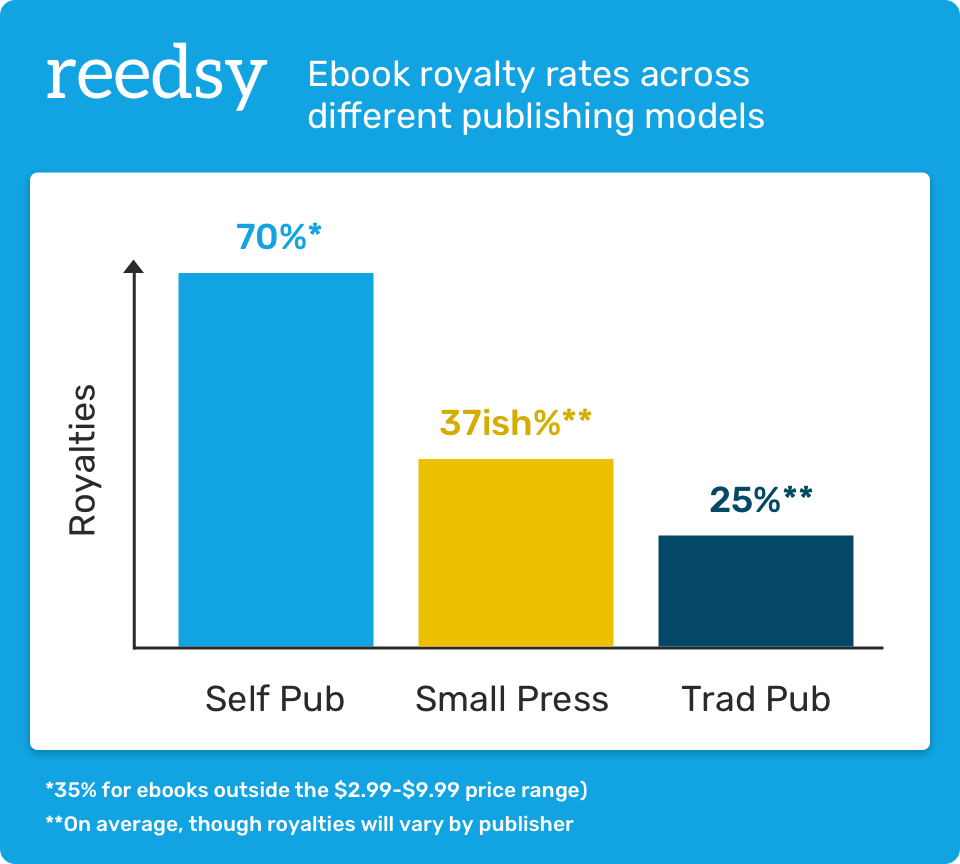
Royalties are the percentage of sales an author earns. Self-publishing platforms often offer high royalty rates. Some pay up to 70% on ebook sales. Print books usually have lower royalty rates.
Royalties vary by platform and book format. Authors get paid after the retailer takes its cut. Payments happen monthly or quarterly. Understanding royalty terms is crucial for income planning.
Additional Income Sources
Beyond book sales, authors find extra income options. Offering courses or workshops based on book topics. Creating merchandise related to the book’s theme. Selling foreign rights or audio rights to other companies.
Some authors use crowdfunding for new projects. Others earn through speaking engagements or consulting. These sources add diversity to revenue streams. They help authors earn more and reach wider audiences.
Factors Influencing Earnings
Self-publishing earnings vary widely. Several key factors influence how much an author can make. Understanding these helps set realistic expectations. Earnings depend on what you write, how you sell, and the price you choose. Each factor affects sales and income differently.
Genre Impact
Genre plays a big role in earnings. Some genres have larger audiences. Romance and mystery often sell well. Niche genres might have fewer readers but less competition. Popular genres can bring steady sales over time. Choosing the right genre can help increase income.
Marketing Strategies
Marketing affects book visibility and sales. Active promotion reaches more readers. Social media, email lists, and ads boost exposure. Reviews and word of mouth also matter. Authors who market regularly tend to earn more. Without marketing, even good books may remain unseen.
Pricing Models
Price impacts how many copies sell. Lower prices attract more buyers quickly. Higher prices mean more profit per sale but fewer buyers. Some authors use free or low prices to build readers. Others prefer premium pricing for exclusivity. Testing different prices helps find the best balance.
Comparing Self-publishing And Traditional Publishing
Self-publishing and traditional publishing offer different paths for authors. Both have unique benefits and challenges. Understanding these can help writers choose the best option for their goals and income.
Revenue Differences
Self-publishing usually offers higher royalties per book sold. Authors keep about 70% of the sales price on many platforms. Traditional publishers pay lower royalties, around 10% to 15%. They also offer an advance payment before sales start. Advances can vary widely but may be small for new authors.
Control And Flexibility
Self-published authors control every part of their book. They decide the cover, price, and marketing strategies. Changes can happen quickly and easily. Traditional publishers handle these tasks for the author. This means less control but professional support and distribution.
Time To Market
Self-publishing gets books to readers fast. Authors can publish as soon as the book is ready. Traditional publishing takes longer, often many months or over a year. It involves editing, design, and printing schedules. Speed matters for authors who want quick feedback or to build a series fast.
Real Author Earnings
Real author earnings show the true income self-published writers make. These numbers vary widely. Some authors earn a few dollars, while others make thousands monthly. Many factors affect income, such as genre, marketing, and book quality.
Understanding real earnings helps new authors set realistic goals. It also shows what effort and time investment might bring.
Case Studies
Case studies reveal how different authors perform. One author earned $500 in three months with a single book. Another made $5,000 annually by publishing several short stories. These examples show income depends on many factors.
Some authors write full-time and earn enough to live. Others treat it as a side job. Both paths are common in self-publishing.
Average Income Ranges
Most self-published authors earn between $100 and $1,000 a year. A smaller group makes $1,000 to $10,000 annually. Only a few reach $50,000 or more per year. Earnings depend on book sales, pricing, and marketing effort.
Many authors increase income by writing more books. More titles often mean more sales and higher earnings.
Success Stories
Some self-published authors achieve great success. They sell tens of thousands of books. One writer made $100,000 in a year from self-publishing. Another built a loyal fan base and steady income.
Success takes time and work. Writing quality books and promoting them well are key. These stories inspire new authors to keep trying.
Challenges Affecting Income
Self publishing offers many opportunities to earn money. Yet, several challenges can reduce income. These obstacles affect how much writers actually make. Understanding these challenges helps prepare for the real earnings.
Market Saturation
The self publishing market is very crowded. Thousands of new books appear every day. Standing out among many titles is tough. Readers have many choices and short attention spans. This lowers the chance to sell well. Without unique content or strong branding, sales may stay low.
Promotion Difficulties
Promoting a self-published book takes time and skill. Authors must learn marketing basics or hire help. Advertising costs can add up quickly. Social media and email campaigns need constant work. Poor promotion means fewer readers find the book. This limits income and slows growth.
Quality And Editing Costs
Good quality is key to earning more. Editing, proofreading, and cover design cost money. Skipping these steps hurts book reviews and sales. Investing in quality improves reputation and trust. Poor quality books often receive negative feedback. This reduces future sales and reader interest.
Credit: thejohnfox.com
Maximizing Self-publishing Profits
Maximizing profits in self-publishing requires smart choices. Authors need more than just a good book. A solid plan to reach readers and sell books boosts income. Simple steps can make a big difference in earnings.
Focus on marketing, building a strong presence, and using different book formats. These actions help create steady sales and grow your audience over time.
Effective Marketing Tips
Promote your book regularly on social media and email newsletters. Share snippets, reviews, and behind-the-scenes stories to keep readers interested. Use paid ads carefully to reach readers who want your genre. Join book groups online to connect with fans and other authors. Offer free chapters or discounts to attract new buyers.
Building An Author Platform
Create a website with your bio, book list, and contact info. Start a blog to share writing tips or book updates. Engage with readers through comments and emails. Grow your mailing list by offering freebies or exclusive content. A strong platform builds trust and keeps fans coming back.
Leveraging Multiple Formats
Publish your book as an ebook, paperback, and audiobook. Different readers prefer different formats. Audiobooks reach busy people who listen on the go. Paperbacks appeal to those who like physical books. Offering multiple formats increases sales chances and reaches wider audiences.
Credit: www.tiffanyhawk.com
Frequently Asked Questions
How Much Can Self-publishing Authors Earn Annually?
Self-publishing authors can earn from a few hundred to six figures yearly. Earnings depend on book quality, marketing, and niche demand. Successful authors often invest in promotion and build loyal reader bases to increase income consistently.
What Factors Influence Self-publishing Income?
Income depends on book pricing, marketing efforts, genre popularity, and sales volume. Effective promotion and quality content boost visibility. Consistent publishing and audience engagement also play crucial roles in maximizing earnings.
Is Self-publishing More Profitable Than Traditional Publishing?
Self-publishing offers higher royalty rates, often 35-70%. Traditional publishing pays lower royalties but provides advance payments and marketing support. Profitability varies based on author’s marketing skills and book appeal.
How Long Does It Take To Earn From Self-publishing?
Earnings can start within weeks but usually grow over months or years. Building an audience and consistent sales increase income over time. Patience and persistence are key to long-term profitability.
Conclusion
Self-publishing earnings vary a lot between authors. Some make a little money, while others earn full-time income. Success depends on effort, marketing, and book quality. Many writers start small and grow over time. It takes patience and consistency to see results.
Understanding costs and potential profits helps set realistic goals. Self-publishing offers freedom but needs work and smart choices. Writers who keep learning often improve their earnings. The journey can be rewarding beyond just money. Keep writing, keep sharing your stories.