Thinking about getting your book published but wondering how much it will cost? You’re not alone.
Many writers find the publishing process exciting but confusing, especially when it comes to expenses. Knowing the real costs upfront can save you time, stress, and unexpected surprises. You’ll discover the different fees involved in publishing your book, what to expect at each step, and smart ways to manage your budget.
Keep reading, and you’ll gain the clarity you need to turn your manuscript into a published book without breaking the bank.
Credit: medialede.com
Traditional Publishing Costs
Traditional publishing offers a clear path for authors who want to see their books in stores. Understanding the costs involved helps authors plan better. Many think traditional publishing is free, but some expenses do arise. These costs vary depending on the publisher and the book’s needs.
Manuscript Submission Process
Submitting a manuscript usually costs nothing. Authors send their work to publishers or agents for free. Some publishers may ask for a small fee for reading or editing, but this is rare. Most of the time, the process involves waiting for a response without upfront payment.
Agent And Publisher Fees
Agents typically take about 15% of the author’s earnings from book sales. This fee covers their help in finding publishers and negotiating contracts. Publishers do not charge authors upfront. Instead, they earn money by selling the book and sharing royalties with the author.
Marketing And Distribution Expenses
Publishers handle most marketing and distribution costs. They pay for book printing, shipping, and store placement. Some authors invest in extra marketing to boost sales. These costs vary widely and depend on the book’s target audience and sales goals.
Credit: justpublishingadvice.com
Self-publishing Expenses
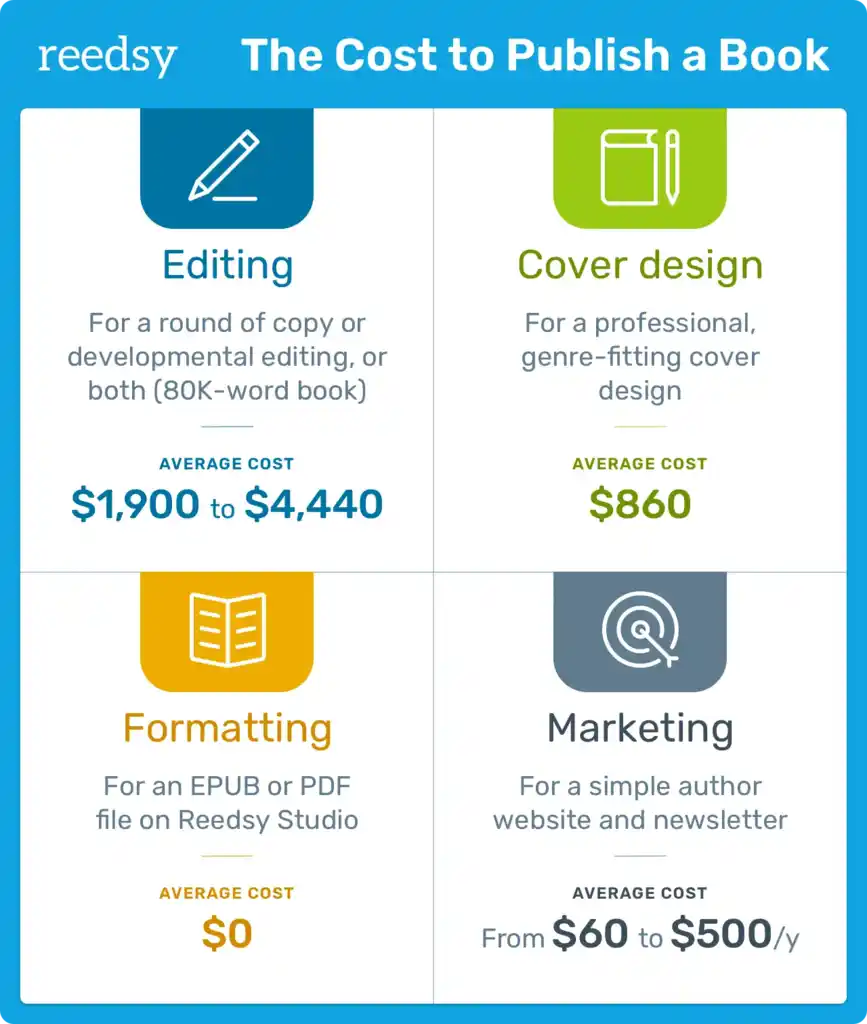
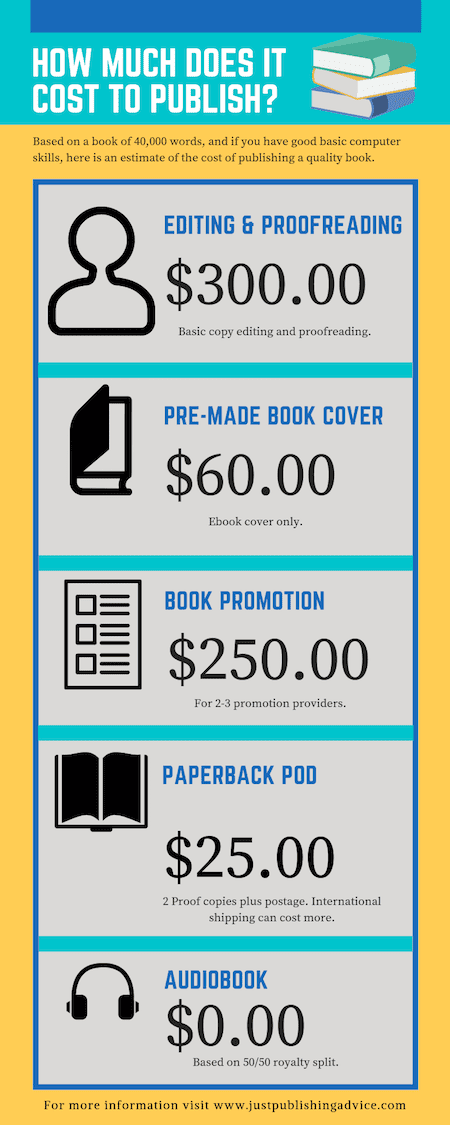
Self-publishing a book means paying for many parts of the process. Authors handle costs that a traditional publisher usually covers. These expenses vary widely based on choices and quality. Knowing these costs helps plan your budget clearly.
Editing And Proofreading Fees
Good editing improves your book’s quality. Editors check grammar, style, and story flow. Proofreaders find small errors like typos and punctuation mistakes. Prices depend on the editor’s experience and book length. Expect to spend from a few hundred to over a thousand dollars.
Cover Design And Formatting
A strong cover attracts readers. Professional designers create covers that suit your genre. Formatting makes the book look good inside. This includes eBook and print versions. Costs vary but usually range from $100 to $600 or more. Investing here can boost sales.
Printing And Distribution Costs
Printed books cost money to produce. Print-on-demand services reduce upfront expenses. You pay per copy printed. Distribution fees may apply to sell through stores or online. These costs depend on the number of copies and chosen platforms.
Marketing And Promotion
Marketing helps readers find your book. Options include ads, book reviews, and social media posts. Costs vary widely based on methods and reach. A small budget can still make a difference. Plan marketing expenses carefully to improve visibility.
Hybrid Publishing Models
Hybrid publishing models offer a middle path between traditional and self-publishing. This model combines benefits from both worlds. Authors share some costs but gain professional support. It suits writers who want more control over their work. Hybrid publishers help with editing, design, and marketing. Authors invest money but keep more rights to their book.
What Hybrid Publishing Entails
Hybrid publishing means authors pay part of the publishing costs. The publisher handles the rest, like editing and distribution. Authors usually keep the copyright and control over their book. The process includes professional editing, cover design, and marketing help. This model gives authors more say than traditional publishing. It suits authors ready to invest time and money in their book.
Costs Compared To Other Methods
Hybrid publishing costs vary but often range from $2,000 to $10,000. Traditional publishing usually costs the author nothing upfront. Self-publishing may cost less but often lacks professional help. Hybrid costs cover editing, design, and marketing services. This model is more expensive than self-publishing but less than full-service publishing. Authors get better quality and more support for their investment.
Pros And Cons Of Hybrid Publishing
Pros include professional services and more control over the book. Authors keep rights and can earn higher royalties. The process is faster than traditional publishing. Cons include upfront costs that can be high. Not all hybrid publishers offer the same quality. Authors must research publishers carefully to avoid scams. Hybrid publishing suits serious authors ready to invest in their book.
Budgeting Tips For Authors
Budgeting is key for authors planning to publish their books. Knowing costs helps avoid surprises and stress. Careful planning ensures funds cover every step of publishing. This guide gives simple tips to manage your book budget well.
Estimating Total Costs
Start by listing all possible expenses. These include editing, cover design, formatting, and printing. Don’t forget marketing and distribution fees. Research prices from different providers to find fair rates. Add a small buffer to cover any extra costs.
Ways To Save Money
Choose freelance editors or designers for lower prices. Use free or low-cost design tools for covers. Consider print-on-demand services to avoid large print runs. Use social media for marketing instead of paid ads. Ask friends or writing groups for help with proofreading.
Planning For Unexpected Expenses
Set aside 10-20% of your budget for surprises. Problems with files or delays may cause extra costs. Last-minute changes to your book can increase expenses. Having extra funds keeps your project on track. Stay flexible and adjust your plan if needed.

Credit: grammarfactory.com
Frequently Asked Questions
How Much Does Traditional Book Publishing Cost?
Traditional publishing usually costs nothing upfront for authors. Publishers cover editing, design, and printing expenses.
What Are Typical Self-publishing Costs?
Self-publishing can cost $500 to $5,000 for editing, cover design, and formatting services.
Does Editing A Book Increase Publishing Costs?
Yes, professional editing can cost between $300 and $3,000 depending on book length and editor.
How Much Should I Budget For Book Cover Design?
Book cover design prices range from $100 to $1,000 based on designer experience and complexity.
Are There Hidden Fees In Book Publishing?
Some hidden fees include marketing, ISBN purchase, and printing, which vary by publishing method.
Conclusion
Publishing a book involves costs that vary widely. Editing, design, printing, and marketing all add to the price. Some choose traditional publishing with fewer upfront fees but less control. Others prefer self-publishing, paying more but keeping rights. Knowing these expenses helps plan your budget smartly.
Every author’s journey is different. Weigh your options carefully before deciding. Writing a book is a big step worth the effort. Take time, prepare well, and keep your goals clear. Success comes with patience and smart choices.