Have you ever dreamed of seeing your name on the cover of a book? Publishing a book in Singapore might seem complicated, but it doesn’t have to be.
Whether you want to share your story, build your brand, or start a new career, knowing the right steps can make the process smooth and exciting. You’ll discover clear, simple ways to turn your manuscript into a published book. Keep reading, and you’ll learn exactly what you need to do to get your book into readers’ hands in Singapore.
Credit: www.liveyoungandwell.com
Preparing Your Manuscript
Preparing your manuscript is a key step before publishing a book in Singapore. A well-prepared manuscript makes the publishing process smoother. It helps your book look professional and readable. Focus on making your content clear and error-free. Organize your work for both print and digital formats. This section covers essential tasks to get your manuscript ready.
Editing And Proofreading
Edit your manuscript carefully to fix mistakes and improve flow. Remove repeated ideas and unclear sentences. Use simple words and short sentences for easy reading. Proofread to catch spelling and grammar errors. Reading aloud helps find awkward phrases. Consider asking someone else to review your work. Fresh eyes catch errors you might miss.
Formatting For Print And Digital
Format your manuscript to fit both print and digital books. Use standard fonts like Times New Roman or Arial. Set proper margins for print books to avoid cut-off text. For digital books, use a clean layout that works on small screens. Add page breaks between chapters. Use consistent headings and spacing. Check your file formats: PDF for print and EPUB for e-books. Proper formatting improves the reader’s experience.
Credit: medialede.com
Choosing A Publishing Route
Choosing a publishing route is a key step in publishing a book in Singapore. It shapes how your book reaches readers. It also affects your control over the process and profits. Understanding different options helps you make a smart choice. Two main paths stand out: traditional publishing and self-publishing. Each has its own benefits and challenges.
Traditional Publishing Options
Traditional publishing means working with a publisher. Publishers handle editing, design, printing, and marketing. You usually submit a book proposal or manuscript first. The publisher decides if your book fits their list. Getting accepted can take time and effort. Publishers often pay an advance and royalties. This route gives your book wide distribution and credibility. But you have less control over the final product. Many Singapore publishers focus on local stories and themes. Some well-known names include Epigram Books and Marshall Cavendish. Traditional publishing suits authors who want expert help and a broad reach.
Self-publishing Platforms In Singapore
Self-publishing lets you publish without a publisher. You keep full control over your book. You decide on editing, design, and marketing. This route often costs less upfront. You can publish print books and ebooks. Many platforms support authors in Singapore. Popular ones include BookPatch and Publishizer. They offer tools for easy book creation and distribution. Self-publishing is faster than traditional routes. It suits authors who want independence and quick results. But you must handle promotion and sales yourself. Success depends on your effort and skills.
Navigating Legal Requirements
Navigating the legal steps is key to publishing a book in Singapore. Authors must meet certain rules to protect their work and share it properly. Understanding these rules helps avoid problems later. This section breaks down important legal needs for new authors.
Copyright Registration
Copyright protects your book from being copied without permission. In Singapore, copyright exists automatically when you create your work. Registration is not required but can help prove ownership. You can register your copyright with the Intellectual Property Office of Singapore. This gives legal proof if someone uses your work wrongly.
Isbn And Legal Deposits
An ISBN is a unique number for your book. It helps bookstores and libraries track your book easily. You can get an ISBN from the National Library Board Singapore. After publishing, you must send copies of your book to the National Library. This is called a legal deposit. It keeps your book in public records for future readers and researchers.
Marketing And Distribution Strategies
Marketing and distribution are key to a book’s success in Singapore. A strong plan helps your book reach more readers. The right strategies create buzz and boost sales. Focus on events and sales channels to spread the word.
Book Launch Events
Book launch events introduce your book to readers and media. Choose a popular location in Singapore to attract guests. Invite local authors, bloggers, and journalists to join. Share your story and answer questions during the event. Use giveaways or discounts to encourage purchases. A lively launch builds excitement and creates word of mouth.
Online And Offline Sales Channels
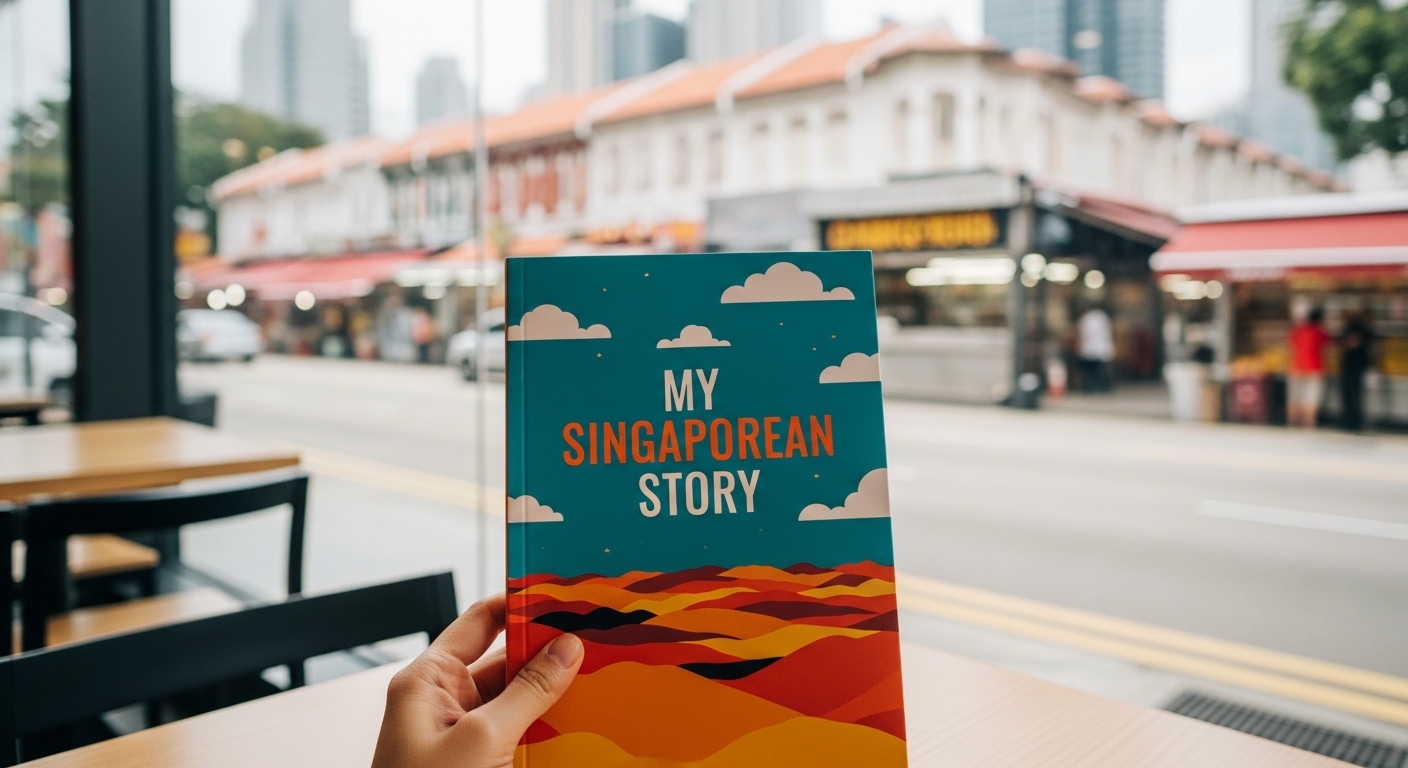
Sell your book online through platforms like Shopee, Lazada, or Amazon.sg. These sites reach a wide audience across Singapore. Create a simple website or social media page to promote your book. Offline sales work well in bookstores, libraries, and cafes. Partner with local shops to display your book. Combine both sales channels for the best reach.
Credit: ghostwritingllc.com
Frequently Asked Questions
What Are The Main Steps To Publish A Book In Singapore?
Write your manuscript, edit it, design the cover, choose a publisher or self-publish, then print or upload.
How Much Does It Cost To Publish A Book In Singapore?
Costs vary from a few hundred to thousands, depending on printing, editing, and marketing choices.
Can I Self-publish My Book In Singapore?
Yes, self-publishing is popular and easy through online platforms and local printing services.
Do I Need An Isbn To Publish In Singapore?
Yes, an ISBN is needed for book identification and sales tracking in Singapore.
How Long Does It Take To Publish A Book In Singapore?
Publishing can take from a few weeks to several months, depending on the process chosen.
Conclusion
Publishing a book in Singapore takes clear steps and careful planning. Choose the right publishing path that fits your goals. Prepare your manuscript well and follow local guidelines. Connect with publishers or explore self-publishing options. Don’t forget to promote your book to reach readers.
Stay patient and keep learning through the process. Writing and publishing a book is a big achievement. Start small, keep going, and enjoy sharing your story. Your book can inspire others and add your voice to Singapore’s literary scene.