Are you ready to see your novel in print but unsure where to start? Self-publishing can feel overwhelming, with so many options and decisions to make.
What if there was a clear, simple way to get your story out to the world without confusion or costly mistakes? You’ll discover the best way to self-publish your novel step-by-step. By following these proven strategies, you’ll save time, avoid common pitfalls, and confidently share your work with readers everywhere.
Keep reading—your novel deserves the best chance to shine.
Credit: janefriedman.com
Choosing Your Publishing Path
Choosing the right publishing path is a key step for every author. It shapes how your novel reaches readers and what your journey looks like. Different paths offer different benefits and challenges. Understanding these options helps you make a smart choice. This section breaks down important points to consider before publishing your novel.
Traditional Vs Self-publishing
Traditional publishing means working with a publisher. They handle editing, design, and marketing. You get support but less control. It takes longer to get your book out. You earn royalties but share profits with the publisher.
Self-publishing lets you keep full control. You manage every part of the process. It is faster to publish. You keep most of the earnings. You also handle all the work and costs yourself.
Both paths have strong points. The best choice depends on your needs and style.
Evaluating Your Goals And Resources
Think about what you want from your book. Do you want wide exposure or complete control? Consider how much time and money you can spend. Traditional publishing may suit authors who want help with promotion.
Self-publishing fits those who want fast release and control over their book. It requires effort in marketing and editing. Assess your skills and support network. Choose a path that matches your goals and resources.
Credit: www.scribendi.com
Preparing Your Manuscript
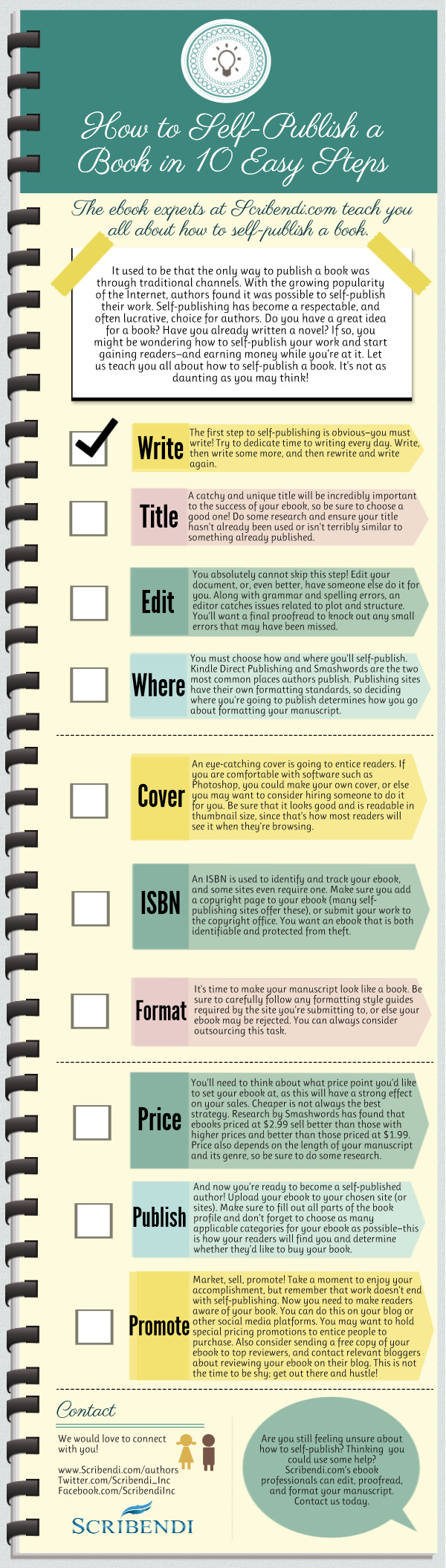
Preparing your manuscript is the first step to self-publishing success. It ensures your novel looks professional and reads well. A clean, well-formatted manuscript attracts readers and keeps them engaged. Focus on clear text, proper structure, and error-free content. This stage takes time but makes a big difference.
Editing And Proofreading Tips
Start by reading your manuscript slowly and carefully. Fix grammar, spelling, and punctuation mistakes. Use tools like Grammarly or Hemingway for help. Read aloud to catch awkward sentences or unclear ideas. Ask a friend or hire a professional editor for feedback. Take breaks between edits to see your work with fresh eyes. Multiple rounds of editing improve clarity and flow.
Formatting For Different Platforms
Each self-publishing platform has its own format rules. Kindle Direct Publishing (KDP) prefers MOBI or EPUB files. Smashwords accepts EPUB and Word documents. Use simple fonts like Times New Roman or Arial. Set margins to standard sizes and avoid unusual spacing. Insert page breaks between chapters. Test your file on devices or apps to check the layout. Correct formatting helps your novel look good everywhere.
Designing Your Book
Designing your book is a key step in self-publishing. A well-designed book attracts readers and makes reading enjoyable. The design includes your book’s cover and the inside layout. Both parts need careful thought. A good design helps your novel stand out on shelves and online stores.
Cover Design Essentials
The cover is the first thing readers see. It must catch attention quickly. Use clear images that show your book’s theme. Choose fonts that are easy to read. Colors should match the mood of your story. Avoid clutter; keep the design simple and clean. A strong title and author name help readers remember your book.
Interior Layout And Typography
The inside layout guides readers through your story. Use margins and spacing that make text easy on the eyes. Pick fonts that are simple and readable. Avoid fancy or hard-to-read styles. Line spacing should be wide enough to prevent eye strain. Chapter titles need to stand out but stay consistent. Good layout helps readers stay focused and enjoy the story.
Selecting The Right Platform
Selecting the right platform is key to self-publishing success. The platform you choose affects how your book looks, sells, and reaches readers. Each platform offers unique tools and options. Understanding these can help match your book with the best fit.
Consider factors like ease of use, distribution channels, royalties, and support. Some platforms are better for ebooks, others for print. Some offer wide reach, while others focus on niche markets. Knowing your goals guides your choice.
Popular Self-publishing Platforms
Amazon Kindle Direct Publishing (KDP) leads the market. It offers worldwide reach and simple setup. Apple Books targets Apple device users with a sleek interface. Smashwords distributes to many ebook stores at once. Draft2Digital gives good control and easy formatting. IngramSpark focuses on print books and global distribution.
Pros And Cons Of Each Option
Amazon KDP has vast reach but strong competition. It offers high royalties but strict formatting rules. Apple Books has loyal readers but limited to Apple devices. Smashwords distributes widely but requires careful formatting. Draft2Digital simplifies publishing but less known than KDP. IngramSpark offers print quality but charges fees upfront.
Pricing And Distribution Strategies
Pricing and distribution are key to self-publishing success. They affect how many readers find and buy your novel. Set a price that fits your audience and goals. Choose distribution channels that reach the right readers. Both steps help your book get noticed and sold.
Setting The Right Price
Pick a price that matches your book’s length and genre. Check prices of similar books by other authors. Lower prices attract more buyers but may reduce profits. Higher prices can suggest quality but may limit sales. Experiment with prices to find what works best for you.
Consider special offers like discounts or free days. These can boost visibility and reviews. Avoid setting a price too high at first. Start modestly to gain readers and feedback. Adjust prices based on sales data and reader responses.
Maximizing Distribution Channels
Use multiple platforms to reach more readers. Upload your book on popular sites like Amazon, Apple Books, and Kobo. Each platform has its own audience and rules. Understand these to optimize your book’s presence.
Consider print-on-demand services for physical copies. Libraries and local bookstores may accept print versions. Use social media and author websites to promote your book. Wide distribution helps increase sales and build a reader base. Track sales on each channel to focus efforts effectively.

Credit: selfpublishing.com
Marketing Your Novel
Marketing your novel is key to reaching readers and boosting sales. Publishing a book is just the first step. You need to promote it actively to get noticed. Effective marketing helps build your audience and spreads the word about your story.
Start by creating a strong presence as an author. Then, use social media and ads to reach more people. Engage with readers and communities to build lasting relationships. These strategies work together to make your novel successful.
Building An Author Platform
An author platform is your online home. It includes your website, blog, and email list. Use your website to share updates and book details. Write blog posts about your writing process or book themes. Collect email addresses to send newsletters. This keeps readers informed and interested. A solid platform builds trust and loyalty over time.
Utilizing Social Media And Ads
Social media helps you connect with readers worldwide. Choose platforms where your audience spends time. Share behind-the-scenes content, book covers, and release news. Use paid ads to target specific groups interested in your genre. Ads can increase visibility quickly. Keep posts clear and frequent. Respond to comments to build a community.
Engaging With Readers And Communities
Engage with readers by joining book clubs and forums. Participate in discussions about your genre or writing. Answer questions and thank readers for feedback. Host giveaways or Q&A sessions to spark interest. Reader interaction creates excitement and word-of-mouth promotion. Building a loyal community helps your novel grow naturally.
Managing Sales And Royalties
Managing sales and royalties is key to successful self-publishing. It helps you understand your earnings and improve book sales. Tracking sales and knowing royalty details keeps you informed and in control.
Tracking Sales Performance
Track your book sales regularly. Use platforms like Amazon KDP or Draft2Digital for reports. Check daily, weekly, or monthly sales to spot trends. See which formats or regions sell best. Use this data to plan promotions or price changes. Accurate tracking helps you make smart decisions.
Understanding Royalty Structures
Royalty rates vary by platform and book format. Ebooks often have higher royalties than print books. Some platforms pay a fixed percentage, others have tiers. Learn the terms before publishing. Know when and how royalties are paid. Watch for fees or charges that reduce earnings. Clear knowledge of royalties protects your income.
Avoiding Common Pitfalls
Self-publishing a novel brings many challenges. Some common mistakes can slow down success. Avoiding these pitfalls saves time and money. It also helps reach more readers.
Focus on two main areas: quality control and marketing. Both affect how readers see the book. Poor quality or weak marketing can limit your reach. Careful planning in these areas improves results.
Quality Control Mistakes
Skipping editing is a big error. Typos and grammar mistakes distract readers. Use professional editors or trusted beta readers. They catch errors you might miss.
Design also matters. Poor cover art or bad formatting turns readers away. Invest in a clean, clear cover and easy-to-read layout. This shows professionalism and respect for readers.
Marketing Missteps To Avoid
Ignoring your audience wastes effort. Know who will read your book. Tailor your marketing messages to their interests and needs.
Failing to build an online presence limits exposure. Use social media and websites to connect with readers. Regular posts create interest and trust.
Frequently Asked Questions
What Is The Best Platform To Self Publish A Novel?
Amazon Kindle Direct Publishing (KDP) is the top platform for self-publishing novels. It offers easy upload, global reach, and royalty options. Other platforms include IngramSpark and Draft2Digital, which provide wider distribution and print-on-demand services.
How Much Does Self Publishing A Novel Cost?
Self-publishing costs vary but typically range from $100 to $1,000. Expenses include editing, cover design, formatting, and marketing. Many authors choose affordable freelance services to manage costs effectively.
How Do I Format My Novel For Self Publishing?
Formatting your novel requires clean, consistent styles for fonts, margins, and headings. Use tools like Microsoft Word or Scrivener. Ensure your file meets the platform’s requirements, such as MOBI for Kindle or PDF for print.
What Are Key Marketing Tips For Self Published Novels?
Build an author platform on social media, create an email list, and use targeted ads. Engage with readers through blogs, giveaways, and book reviews to boost visibility and sales.
Conclusion
Self-publishing a novel takes clear steps and careful planning. Choose the right platform that fits your needs and budget. Edit your work well to keep readers interested. Design a simple, eye-catching cover to attract attention. Set a fair price to help sell more copies.
Promote your book through social media and friends. Stay patient and keep learning with each new project. Writing and publishing your own novel is a rewarding journey. You can share your story with the world, step by step.