Are you ready to turn your writing into a profitable business? Understanding the ins and outs of self-publishing can make all the difference between struggling to sell your book and building a steady income.
This article breaks down the key elements you need to know—royalties, marketing, and sales—to help you take control of your publishing journey. By the time you finish reading, you’ll have clear steps to boost your earnings and reach more readers.
Let’s dive into how you can make your self-publishing dream a thriving business.
Royalties Explained
Royalties are the payments authors receive from book sales. They are the main way writers earn money in self-publishing. Understanding royalties helps you manage your income better. This section explains how royalties work and how to increase your earnings.
Types Of Royalties
There are different types of royalties in self-publishing. The most common is the sales royalty. It pays a percentage of each book sold. Another type is the licensing royalty. This happens when you allow others to use your work, like in movies or translations. Some authors earn performance royalties if their work is read aloud or performed publicly.
Calculating Your Earnings
Calculate royalties by multiplying the royalty rate by the book price. For example, a 70% royalty on a $10 book earns $7 per sale. Keep in mind, retailers and platforms take a cut. Also, different formats like eBooks and print books have different royalty rates. Track your sales to estimate your total income accurately.
Maximizing Royalty Income
Set competitive prices for your books to attract buyers. Use multiple platforms to sell your work. This spreads your reach and increases sales chances. Offer your book in various formats like eBook, print, and audiobook. Promote your books regularly to boost visibility. Building a loyal audience also helps maintain steady sales. Quality content encourages readers to buy more.

Choosing The Right Platform
Choosing the right platform is a key step in self-publishing success. The platform affects how much money you earn and how many readers you reach. Different platforms offer various tools, fees, and reach. Understanding these options helps you pick the best fit for your book and goals.
Popular Self-publishing Platforms
Amazon Kindle Direct Publishing (KDP) is the most used platform. It offers wide reach and easy setup. Smashwords and Draft2Digital help distribute to many stores. Apple Books and Kobo also have strong user bases. Each platform serves different audiences and niches.
Platform Fees And Policies
Some platforms charge fees for publishing or distribution. Others take a percentage of your sales as royalties. KDP offers up to 70% royalties but has strict pricing rules. Smashwords has no upfront fees but shares earnings. Read all policies to avoid surprises later.
Distribution Options
Distribution means where your book appears for sale. Some platforms sell only on their own store. Others send your book to many online retailers and libraries. Wider distribution can increase sales but may reduce royalties. Choose distribution that fits your marketing plan.
Crafting A Marketing Plan
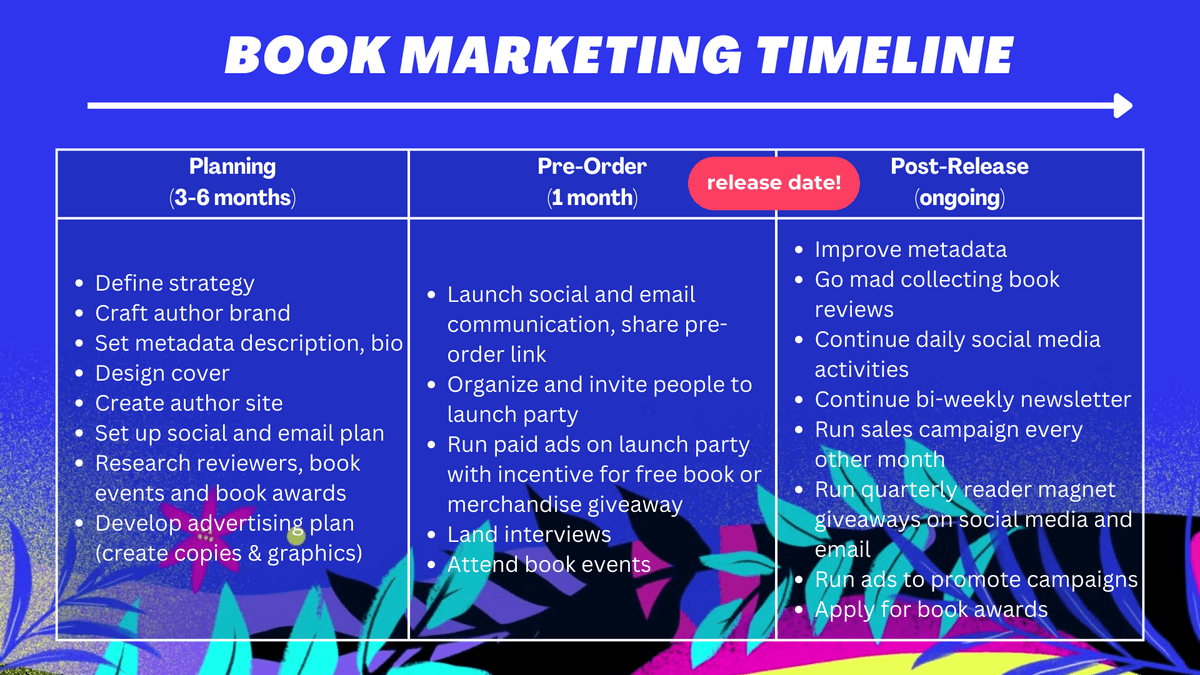
Crafting a marketing plan is key for self-publishing success. It guides your efforts and helps you reach readers effectively. A clear plan saves time and money. It boosts your book’s visibility and sales. Start by understanding your audience, then build your brand. Choose the right promotion channels to share your work.
Identifying Your Target Audience
Know who will read your book. Think about their age, interests, and reading habits. Narrow down your audience to make your marketing focused. This helps create messages that connect with readers. Research similar books to see who buys them. Use online tools to find audience details. Targeting the right readers improves your chances of success.
Building An Author Brand
Your author brand shows who you are and what you write. It helps readers remember and trust you. Create a consistent style with your book covers, website, and social media. Share your story and writing journey to build a connection. A strong brand makes readers want to follow you and buy your books.
Effective Promotion Channels
Choose where to promote your book based on your audience. Social media platforms like Facebook and Instagram work well for many genres. Email newsletters keep readers updated and engaged. Book blogs and podcasts can introduce you to new readers. Paid ads can boost visibility but use them carefully. Focus on channels where your audience spends time.
Leveraging Social Media
Social media plays a key role in self-publishing success. Authors can reach readers directly. It helps build a loyal audience and boosts book sales. Using social media smartly leads to better royalties and visibility. Focus on creating a strong presence on the right platforms. Share interesting content that draws people in. Grow your followers steadily for long-term benefits.
Platforms That Work Best
Choose social networks where readers spend time. Facebook offers groups and pages for book lovers. Instagram is great for visuals and short videos. Twitter works well for quick updates and author chats. TikTok has a growing book community with short clips. LinkedIn suits nonfiction and professional writers. Pick two or three platforms to focus on well.
Creating Engaging Content
Post content that your readers find useful or fun. Share sneak peeks, behind-the-scenes stories, and writing tips. Use images and videos to make posts stand out. Ask questions and invite comments to start conversations. Keep messages clear and easy to understand. Consistent, fresh content keeps followers interested and coming back.
Growing Your Following
Engage with followers by replying to comments and messages. Join relevant groups and participate in discussions. Collaborate with other authors or influencers in your genre. Offer giveaways or free chapters to attract new fans. Post regularly at times when your audience is online. Small daily efforts lead to steady follower growth.
Boosting Sales Techniques
Boosting sales is key for self-published authors. It helps reach more readers and earn more royalties. Simple, smart techniques can improve sales without huge budgets. Focus on pricing, launching, and using reviews smartly. These steps bring steady growth and better visibility for your book.
Pricing Strategies
Set a price that fits your target readers. Low prices attract new buyers quickly. Higher prices work if your book offers unique value. Try limited-time discounts to create urgency. Use price testing to find the best balance. Keep prices competitive but fair. Remember, price affects perceived quality.
Book Launch Tactics
Plan your launch to build excitement. Share teasers and sneak peeks on social media. Offer special bonuses for early buyers. Partner with bloggers and influencers to spread the word. Host online events or live readings. A strong launch helps your book appear in more searches and lists.
Using Reviews To Your Advantage
Ask readers to leave honest reviews. Positive feedback builds trust and attracts new readers. Feature good reviews in your book description and promotions. Respond politely to all reviews, even negative ones. Reviews improve your book’s ranking on sales platforms. They create social proof that encourages buying.

Tracking Performance
Tracking performance is key for self-publishing success. It helps authors see what works and what needs change. By watching sales and marketing results, authors can make smart decisions. This leads to better earnings and wider reach.
Analyzing Sales Data
Sales data shows how well a book sells over time. Authors can track numbers daily or monthly. This helps find peak sales periods and slow times. Understanding which books sell best guides future projects. It also reveals which platforms bring the most buyers.
Adjusting Marketing Efforts
Marketing should change based on performance data. Ads that do not bring sales can be stopped. Successful campaigns can get more budget or focus. Testing different messages helps find what connects with readers. Small changes can improve results quickly.
Long-term Growth Planning
Tracking performance helps plan for the future. Authors can set realistic goals based on past sales. This helps decide when to launch new books or promotions. Planning steady growth avoids big drops in income. It builds a loyal reader base over time.
How IOKPUBLISH Can Help You with The Business of Self-Publishing: Royalties Marketing & Sales
Practical Steps to Mastering Royalties, Marketing, and Sales
Understanding royalties is just the beginning of navigating the business side of self-publishing. As you develop your marketing plan, consider how each platform you choose impacts your royalty rates and audience reach. Platforms like those supported by IOKPUBLISH provide tools that simplify tracking performance, helping you adjust your strategies effectively over time.
Leveraging social media goes hand in hand with boosting sales techniques. Engage with potential readers authentically and consistently to build a loyal community around your work. Practical learning opportunities often come from experimenting with different approaches—such as targeted ads or collaborative promotions—to see what resonates best.
- Regularly review sales data to identify trends
- Adapt marketing efforts based on performance insights
- Explore resources available through platforms like the IOK Bookstore for additional support
If questions arise or you want to deepen your understanding, reaching out to knowledgeable support teams—like the one at support@inkofknowledge.com—can provide valuable guidance as you refine your self-publishing journey.
Frequently Asked Questions
What Are Royalties In Self-publishing?
Royalties are payments authors earn from book sales. They come as a percentage of each sale price. This income varies by publisher or platform.
How Can Authors Market Self-published Books Effectively?
Authors should use social media, email lists, and book blogs. Consistent promotion helps reach more readers. Simple ads can also boost visibility.
What Sales Channels Work Best For Self-published Books?
Online retailers like Amazon, Apple Books, and Barnes & Noble are key. Direct sales through author websites also help. Local bookstores might support indie authors too.
How Much Royalty Can Self-published Authors Expect?
Royalties usually range from 35% to 70% of the sale price. Higher rates often come from direct sales or exclusive platforms. Check each platform’s terms carefully.
Why Is Tracking Sales Important For Self-published Authors?
Tracking sales shows which marketing efforts work best. It helps authors plan future promotions. Knowing sales trends supports better business decisions.
Conclusion
Self-publishing offers many chances to earn and grow. Royalties depend on your pricing and sales numbers. Marketing helps your book reach the right readers. Sales build your author brand and income. Stay patient and keep learning each day. Success comes with effort and smart choices.
Writing and selling your own book is rewarding. Keep your goals clear and work with focus. The business side is just as important as writing. Embrace the journey and enjoy the process.